The Origins of Skiing in the Alps: After 5,000 years of age - it is still young
How an ancient survival technique coined the soul and character of a whole regions - and its people
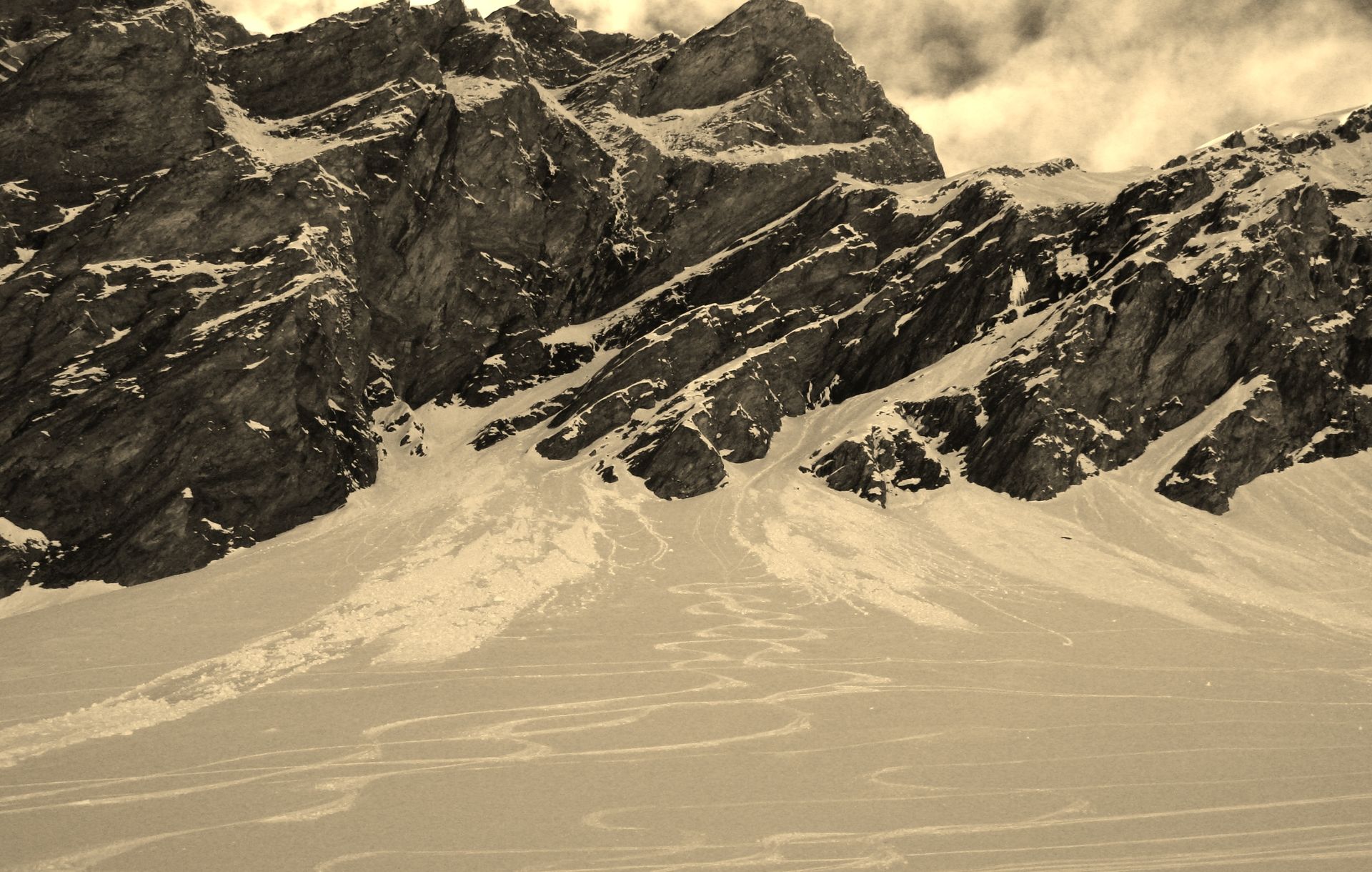
Skiing is more than a sport. It is devotion. It is nature. It is pure enjoyment. It is leaving traces. No wonder it was, is, and will be popular.
Skiing - a little introduction
Skiing and the Alps belong together. No one would doubt this, and we can also state that as skiing formed the Alps, so did the Alps form skiing.
Behind the modern glitz of skiing - think Crans Montana, St. Moritz, Arlberg, Ischgl, Kitzbühel, Cortina d'Ampezzo etc etc - lies a rich and surprising story.
The history of skiing in the Alps is a tale of adventure, pioneering, innovation, and cultural transformation. Before it became a global winter sport, skiing was a survival technique, then a curiosity, and finally a catalyst that reshaped Alpine communities.
Understanding these origins adds depth to every winter journey through South Tyrol, Tyrol, or Switzerland — revealing skiing not merely as a pastime but as a living cultural heritage of the Alps.
The Origins of Skiing — Before Franz Klammer and Après-Ski
Sorry Austria. Nope Switzerland. It wasn't you who invented it: The earliest skis ever discovered come not from the Alps but from Northern Scandinavia and Siberia! Archaeological finds show that skis were used more than 5,000 years ago for hunting, transportation, and in general made it possible to survive long winters.
These early skis were tools of practicality rather than recreation.
This ancient northern tradition re-entered European consciousness thanks to 19th-century Norwegian explorers like Fridtjof Nansen, whose Greenland crossing famously demonstrated the power and elegance of skiing. And indeed, it was this expedition which laid the groundwork for the introduction of skiing into Alpine regions.
How Skiing Arrived in the Alps — The Begin of true Winter Tourism
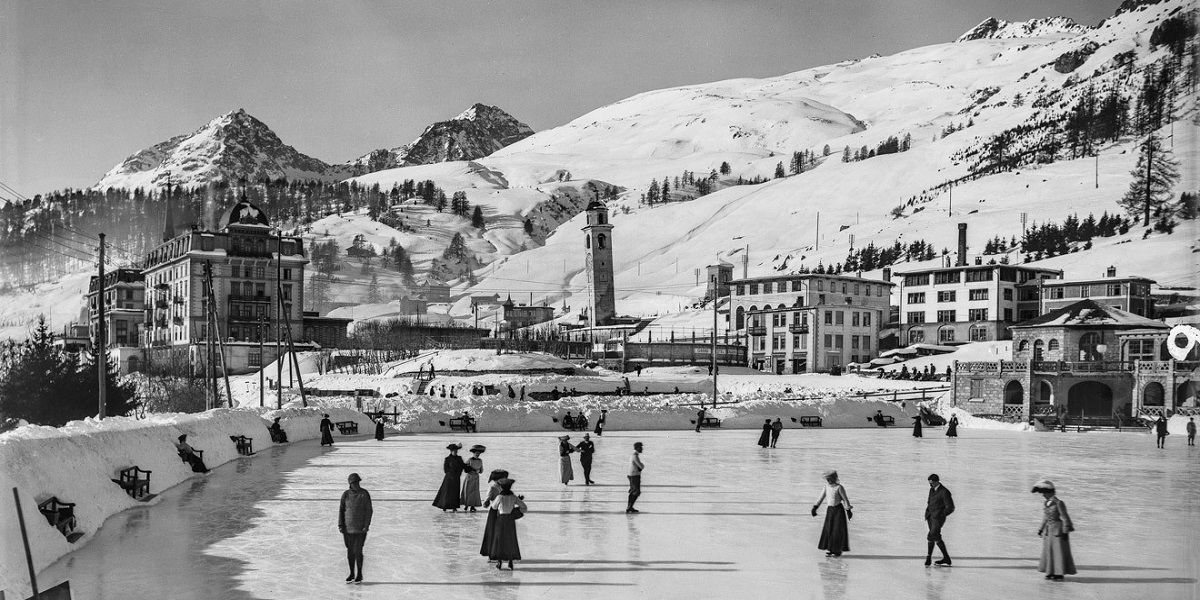
As this picture above of wintery St. Moritz shows - there was some form of winter tourism in the Alps before skiing. But very limited. In the end, one could freeze ones behind off in other places too. Sure, the clear crisp air, lots of winter sunshine were also favoured, but skiing really made the difference.
Skiing reached the Alps in the late 1800s. At first, Alpine villagers were puzzled by these long wooden boards. Actually, most of them had better things to do than fooling around in the snow - at first at least. But curiosity soon turned into experimentation — and the sport began to adapt to steeper, more challenging mountain terrain. And this was the merit of, no, still not you Austrians, Swiss or Italians. It was the merit of a country that by itself has little mountains:
The Role of Switzerland, Davos & St. Moritz - and that of the British
The first wave of transformation accelerated when British aristocrats, drawn by fresh mountain air and a pioneering spirit, embraced skiing during winter holidays. These folks new the Alps already from summer, as they also invested this very bizarre sport of 'mountaineering' - climbing up mountains for no use whatsoever. Tsss, these British. There as well, locals witnessed these efforts mostly by shaking their hads. However, they were soon needed as guides, since they knew the territorry, the techniques, and the weather.
But back to winter: With growing railway networks and luxury hotels, Davos and St. Moritz became early hubs of Alpine winter tourism. And skis were seen in an ever increasing number. This moment marked the beginning of something new:
The Alps as the birthplace of modern winter travel culture.
Skiing Transformed Alpine Culture and Mountain Communities
The arrival of skiing reshaped the Alps in profound ways. What had once been a quiet winter season turned into a dynamic period of activity and hospitality.
From dark, forgotten backwaters to global ski arenas
Ski tourism led to substantial changes in the Alpine villages: New professions (ski instructors, mountain guides, hoteliers) rose; iconic family-run hotels were established - many still working today. While not all, but many started of as farms that offered a few guest rooms. Then a guest wing, and a terrace. Then a bar, a sauna etc. And here we go: Increasing competiton led to the world's highest density of 4* and 5-star hotels.
But it didn't stop there. Soon the first mechanical ski-lifts were seen. In the beginning. in the valley. And just one, or two. But people accepted that. Than another wave of pioneers had their time: Mostly locals who envisioned modern, complex - and expensive cable cars that could reach the mountain tops - opening up a whole new arena for skiing.
From South Tyrol to Tyrol, Graubünden, the Dolomites, Bavaria and the French Savoyes - many celebrated winter destinations owe their identity to these developments, which took place within a few decades, around the 1930s to 1970s.
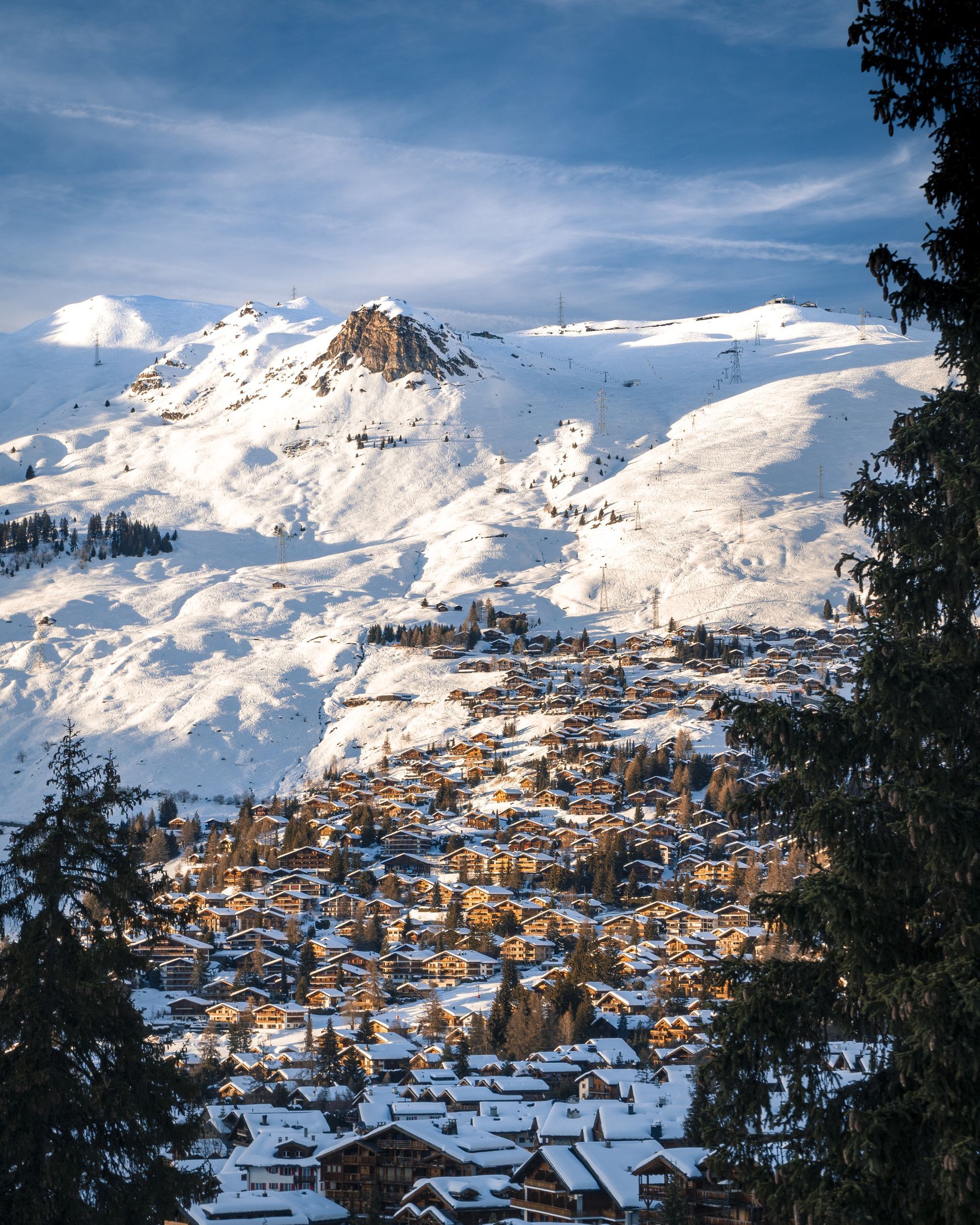
Picture of Verbier, Switzerland.
The changes couldn't be more profound: What we see in many skiing destinations today is afluence, where there were harsh degrees of poverty before. For me, when stralling through an Alpine village, this often is a strong image: Life in secluded and remote Alpine villages was really tough. Farming was on subsistence level, and nature was even more unforgiving than in the rest of Europe. Winters were long, cold and dark. If you did not take proper care and apply solid planing - you would not have survived the four to five winter months. Period.
Now you see big houses, villas, expensive cars, shopping boutiques, posh restaurants etc. Of course, not every local is a millionaire - far from it. But most inhabitants enjoy a good life, which of course is still to be earned; but nevertheless, there is probably no other area at least in Europe where poeple enjoyed a similar economic and social transformation in such a short time. And skiing contributed a lot.
And today? Skiing connects the past and the present; tradition with modern sportsmanship; and nature with luxury
Skiing is unique. Its combination of sports, fun, subtle luxury, the feel of speed, sunshine, white snow - all of that is also for me an intriguing combination.
I can only recommend to experience it in full. And every skier unknowingly participates in centuries of Alpine tradition — carrying forward a cultural legacy shaped by explorers, visionaries, and mountain communities.
For some, skiing is a sport. For others, a lifestyle.
In the Alps, and I can confirm this every winter, no matter where you go: Skiing is
identity — a cultural thread woven into villages, families, landscapes, and winter traditions.
Exploring the history of skiing in the Alps allows travelers to experience the mountains not just visually, but emotionally and culturally. Behind every modern Alpine holiday lies an extraordinary story — one that continues to evolve with each new generation of skiers.
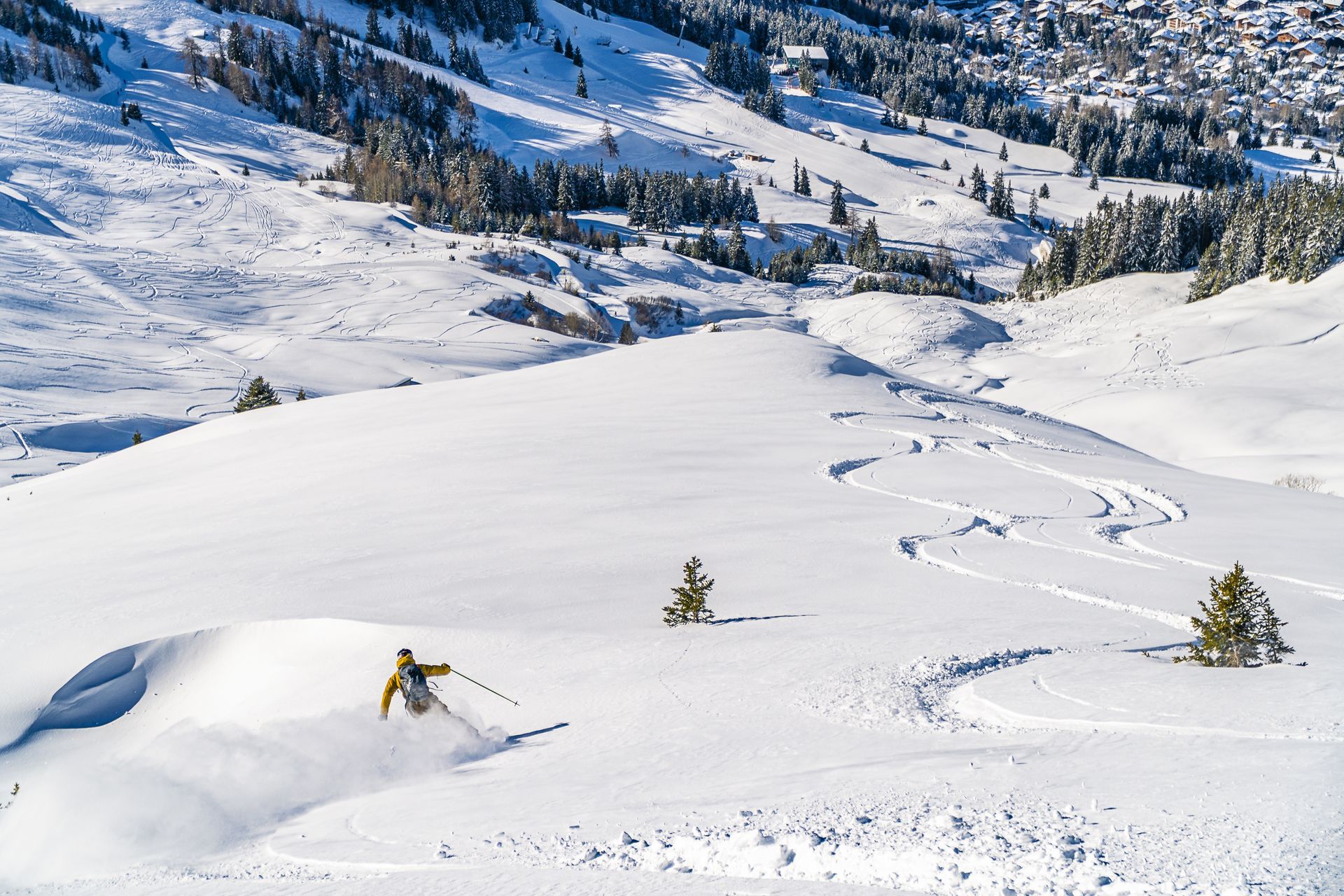
Go for it. You haven't been in the Alps when you didn't go skiing!