Boutique Wedding vs. Traditional Wedding: Why Less Can Mean More
What scale could be the right one for you?

While traditional weddings tend to be larger, boutique weddings focus on a smaller circle, and may leave more choices to the couple. There is as such no right or wrong when it comes to pick the type of wedding you want. We will discuss the main differences in the article below.
Admit it: Most of our ideas of a dream wedding follow a similar script: a long guest list, because you are polite and don’t want to leave anyone behind. A grand venue, whereas grand really means it. Because you also want to show that you want to care for your many guests – and indeed that you have your life under control, financially. A sophisticated, elaborate programme and a celebration bringing together extended families, friends and acquaintances. And for many couples, this remains exactly the right way to celebrate. And there is also nothing wrong with what I guess we could term the (high-)standard wedding concept.
But…we may also consider if other forms and indeed visions of celebrations are possible. Because as with so many other things and institutions, weddings too can now be enjoyed in a variety of formats. How about then instead of asking “How big should - and can we make it?”, you may ask “How personal can we make it?”
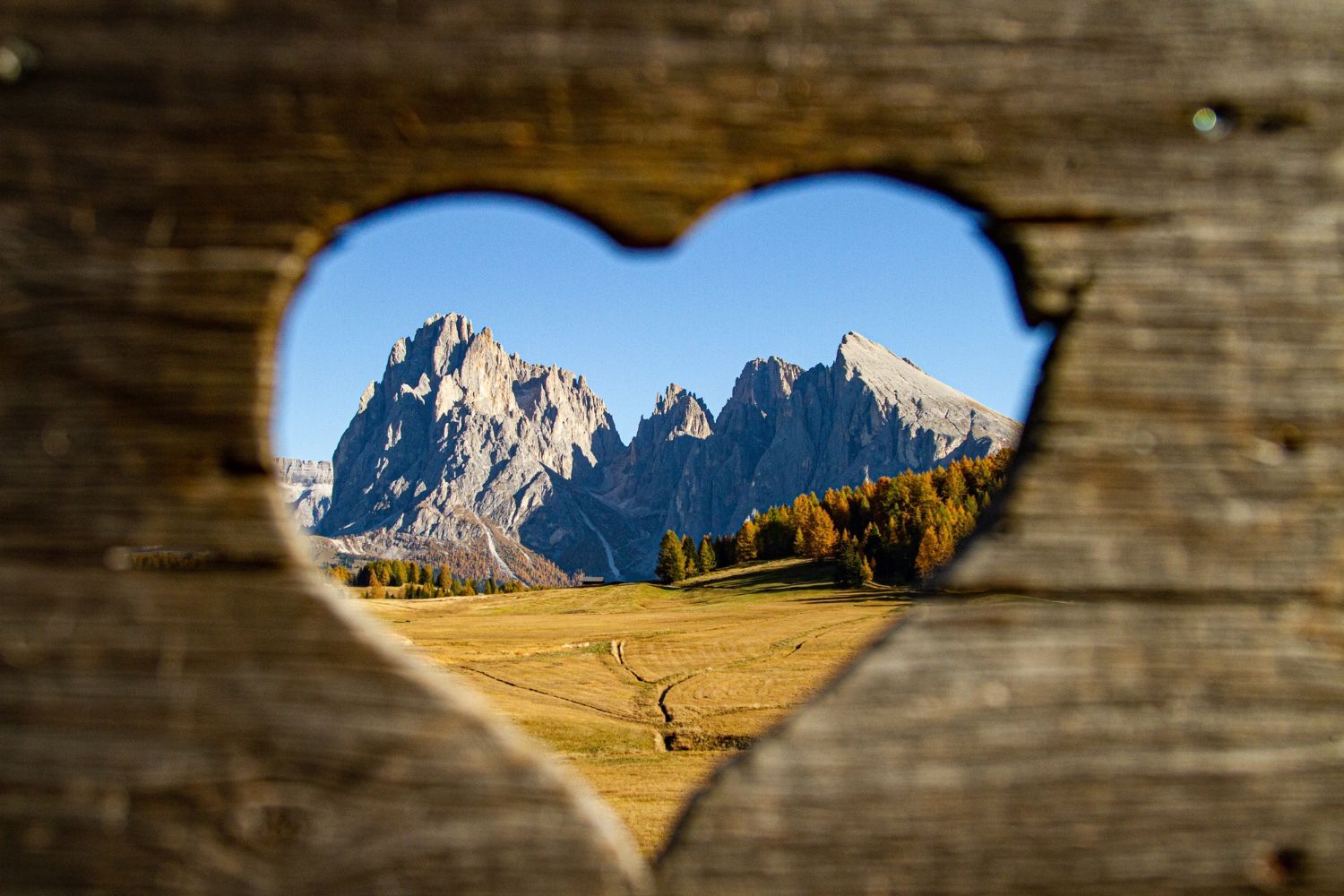
As you can see, we keep the focus on the celebration, but we look at it from a different angle. And this is where a concept enters that is enjoying more and more popularity worldwide: Boutique weddings, a more intimate, but very carefully curated celebration concept in which quality, atmosphere and personal experiences take precedence over size.
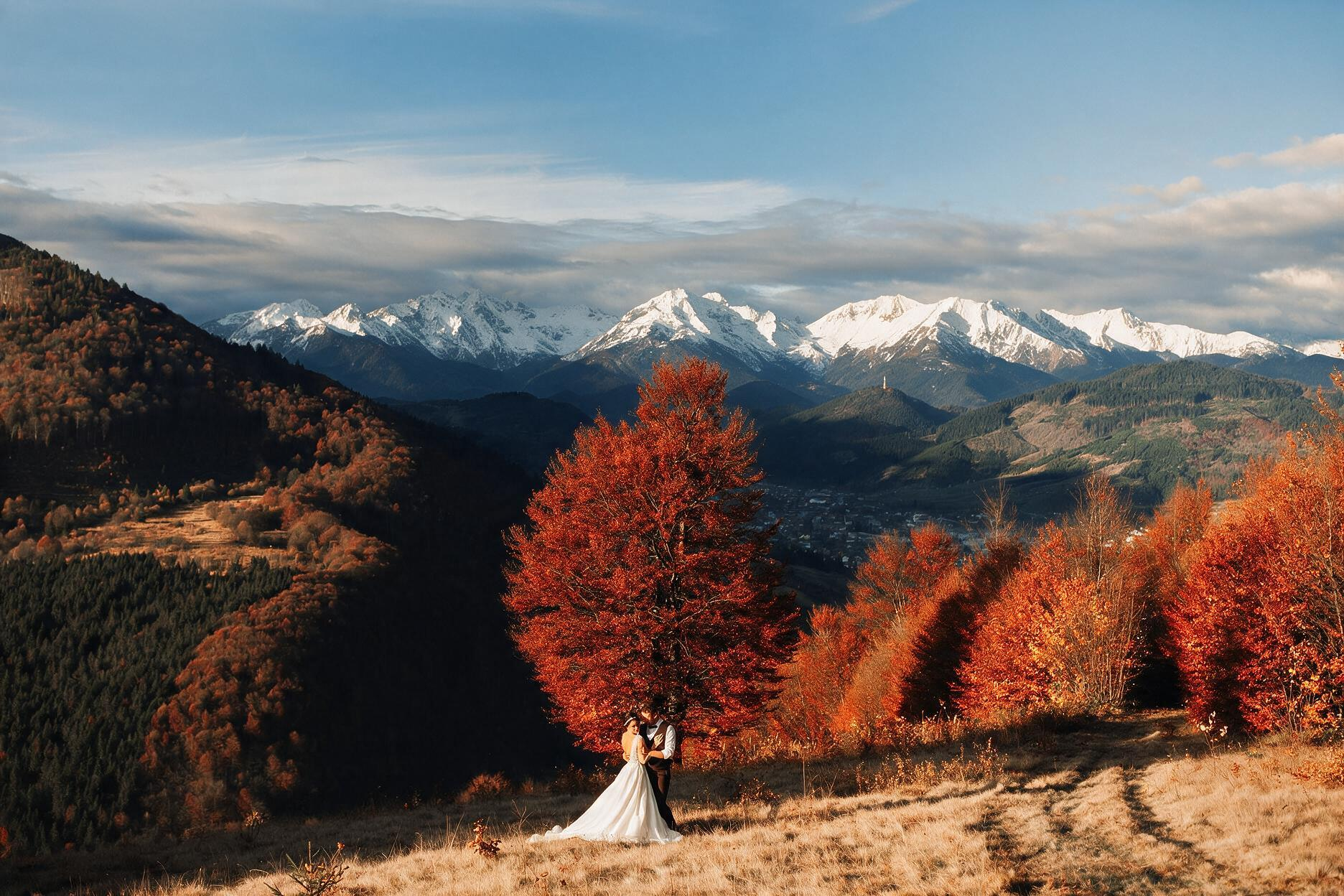
And if we look more at the aspects of curation, atmosphere and experience, then we see a very good match with the Alpine destination wedding concept, since this approach opens up extraordinary possibilities of experiences. Just think a minute about what comes to mind when you blend ‘wedding, romance, beautiful nature and unique culture’: A secluded mountain retreat, a historic villa overlooking a lake, an elegant chalet or even a beautifully restored alpine hut can become the setting for a wedding that feels as if it just was made for you (and truly, this should also be the case). You can create a few unforgettable days shared with the people who matter most.
So what exactly distinguishes a boutique wedding from a traditional wedding? The other main questions I’d like to explore is: Could less actually mean more?
What Is a Boutique Wedding?
So….actually there is no strict definition of a boutique wedding – and perhaps that is part of its appeal. But we can approach it through the term ‘boutique’: That evokes memories of something rather small, but very exclusive. But for the special application with weddings, I’d like to state that a boutique wedding is an exclusive, but also a more intentional wedding.
In terms of size, I’d position it above elopements / micro weddings, but below ‘traditional’ weddings. Guest numbers tend to be limited, often perhaps 20 to 40 people. But the defining feature is not the number as such, but what the smaller guest number allow you to focus on instead.
Instead of designing a celebration around the logistical requirements of a large group, couples can concentrate on a very individual and curated experience: an exceptional location, selected food, thoughtful decoration, personal transport and genuine time with your (fewer) guests.
So, if helpful, think of the difference between a large hotel chain and a beautiful boutique hotel.
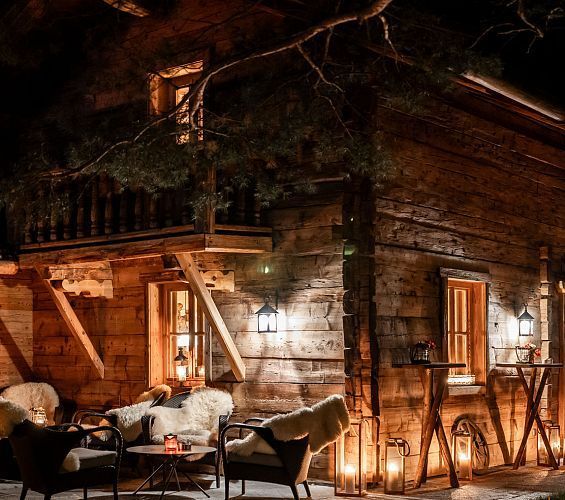
The latter is not necessarily simpler or less luxurious. Quite the opposite. Its appeal lies in personality and attention to detail.
A boutique wedding follows much the same philosophy.
So we might say that it is not about having just a smaller wedding, but about creating a more intentional one.
Boutique Wedding vs. Traditional Wedding: What Is the Difference?
Of course, just as the boutique version, a traditional wedding can be elegant, luxurious and deeply personal. The difference lies primarily in scale – and in what that scale allows you to do.
Typically, a traditional wedding might bring together 60, 100, 150 or even 200 guests. This naturally influences almost every decision: the choice of venue, catering, transport, accommodation, seating arrangements and the structure of the day.
A boutique wedding in contrast begins from another perspective. Because you are less confined by thoughts of capacity and costs. Hence, instead of asking which venue can accommodate everyone, you can ask:
Where would we truly love to celebrate?
Instead of building the day around the logistics of moving a large group from ceremony to reception to dinner, you can think about how you would actually like to spend those hours. What locations, activities, foods & drinks, experiences etc.
And instead of trying to greet 150 people during the course of an evening, you may be able to sit down, talk, laugh and share the experience with almost every person you invited. Neither approach is better than the other, and both have their justification. But both create very different wedding experiences.
Why Less Can Mean More
Reducing the size of a wedding does not necessarily mean reducing its overall quality, nor its meaning or ‘impact’. Rather, it does exactly the opposite.
A smaller guest list allows couples to invest more attention – and potentially more of their budget – in the things that matter most to them.
That could, for instance, mean an exceptional menu rather than a slightly more conventional banquet. A wonderful photographer, that offers exactly the aesthetics you love. Beautiful flowers. A private mountain venue. Live music during dinner. A vintage or super-sports car waiting outside the church. Or superb accommodation for the people closest to you.
As I explained in my previous blog about costs, luxury, after all, is not always about abundance. Sometimes it is about having the freedom to have exceptional choices.
This is particularly relevant for couples who are less interested in following wedding conventions and more interested in creating a celebration that reflects how they actually live, travel and spend time together. The result can feel less like an event produced for an audience, but more like an experience shared among friends and close family.
What about the budget?
One common assumption may be that a boutique wedding is cheaper than a traditional wedding.
It can be – but according to what we have just discussed - it does not have to be.
The more important difference is how the budget is distributed.
Imagine, for example, two couples with a similar overall wedding budget. One is planning for 120 guests; the other for 35 (!)
For the larger wedding, a significant proportion of the budget will inevitably go towards the venue plus food, drinks, furniture, transport and staffing. You could sum this up under logistics. With 35 guests, entirely different possibilities emerge.
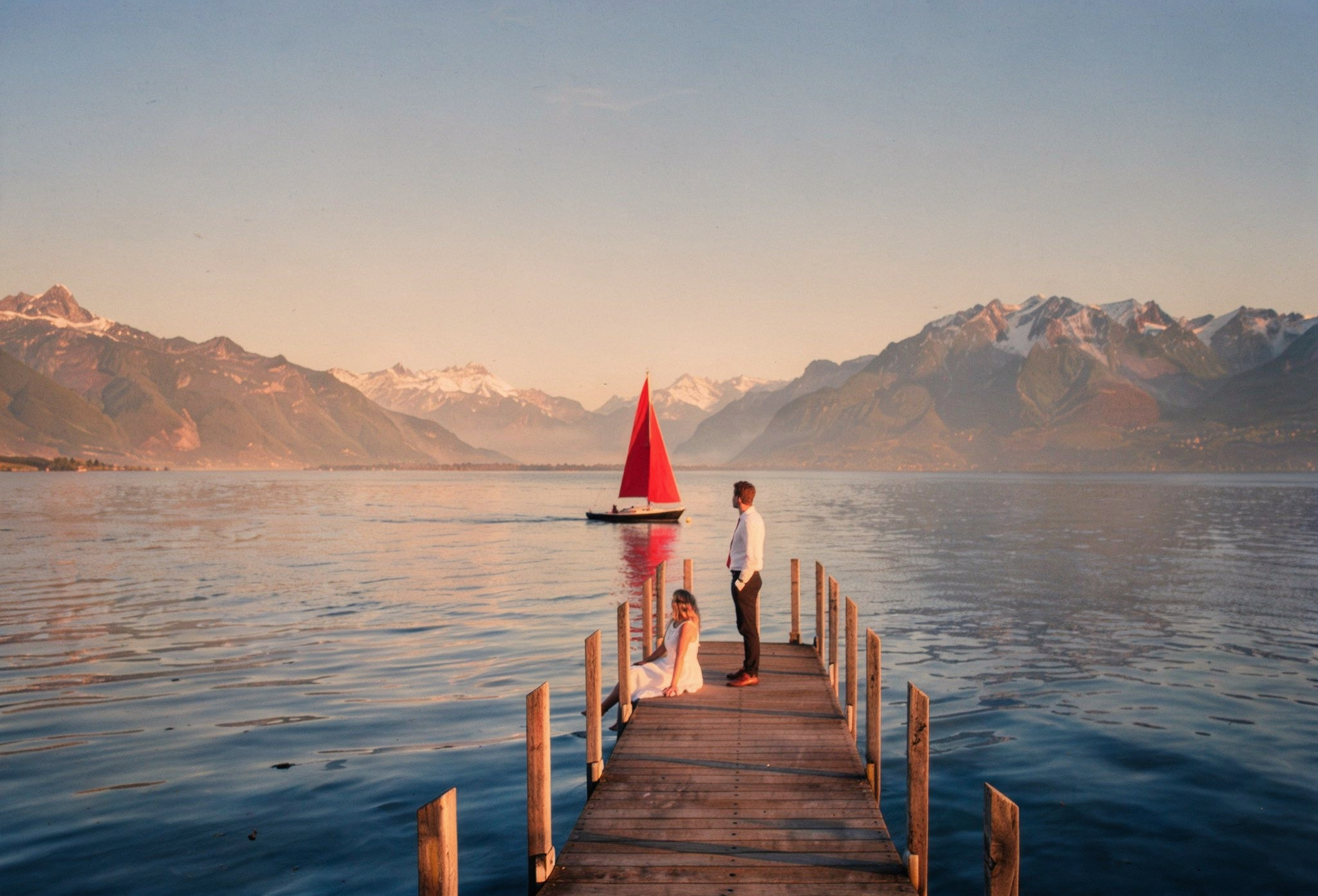
Perhaps everyone can stay in the same beautiful (boutique) hotel. Perhaps dinner can be held in a restaurant that would never accommodate 120 wedding guests, but is a unique jewell instead (like the one in the picture above). The couple can arrange a private cable-car journey, a special wine tasting, an elaborate floral iinstallation or a welcome evening high above the valley.
The overall budget for these unique experiences may not necessarily be lower - but the experience per guest can become considerably richer.
That distinction is important: A boutique wedding is not primarily a strategy for saving money. It is a way of concentrating resources on the things you value most.
The Freedom to Choose: Extraordinary Places
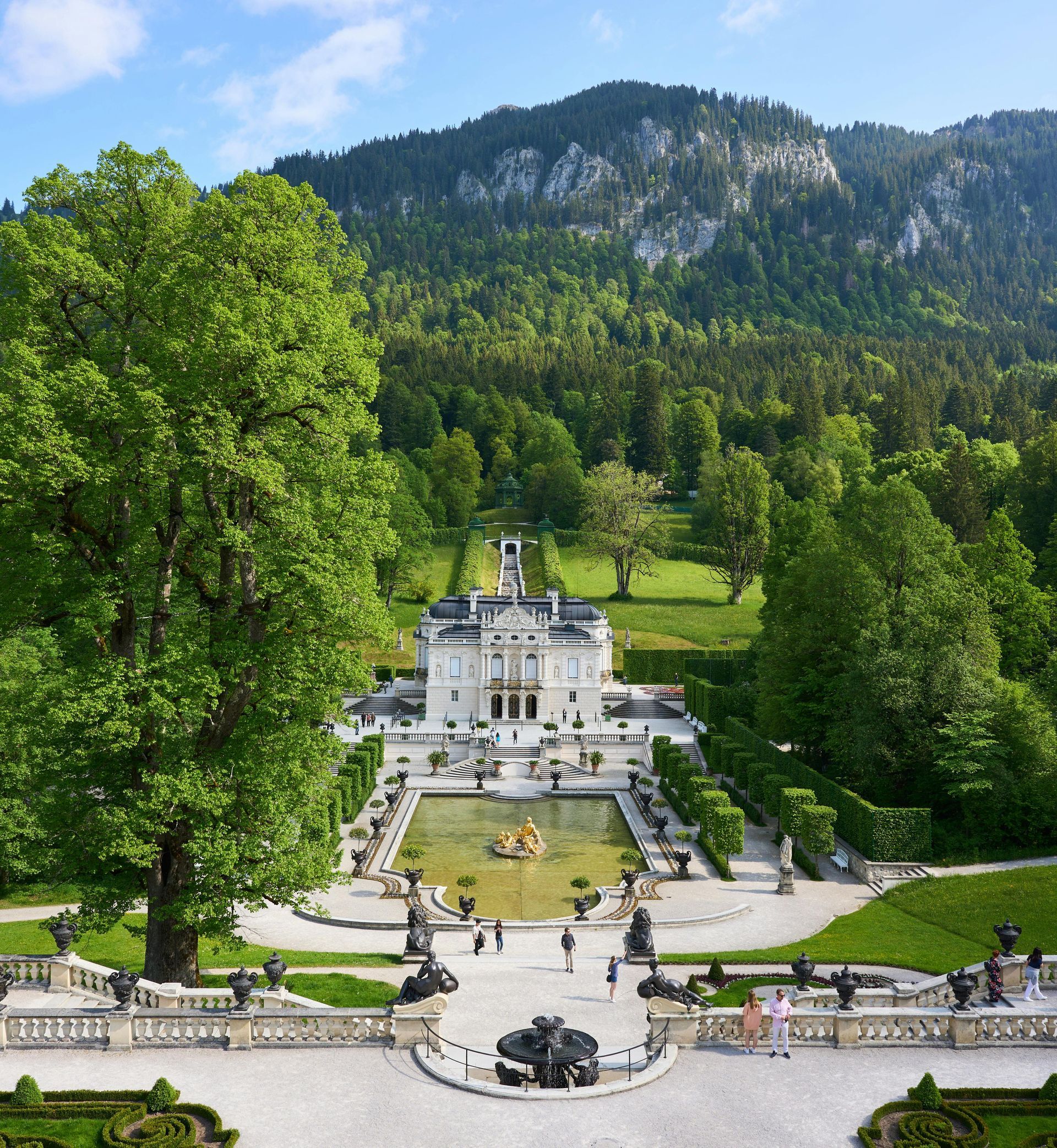
This may be one of the greatest advantages of a boutique wedding. Because a more traditional and larger wedding requires first of all ‘appropriate’ venues. As depicted above, it needs to be easy to reach, also for your great-uncle. It needs to be able to get the logistics alright.
Boutique wedding locations can go into more personal directions, meaning that suddenly, an entirely different world of possibilities opens up.
A historic villa beside an alpine lake, or a vintage boat on that lake.
A small castle in South Tyrol.
An elegant chalet surrounded by snow-covered peaks.
A mountain hotel accessible only by cable car.
A centuries-old farmhouse transformed into an intimate celebration space.

Many of the most atmospheric places in the Alps were never designed to accommodate 150 wedding guests – and that is precisely what makes them special.
For couples considering a boutique wedding in the Alps, a smaller celebration can therefore mean a much greater choice of unusual and highly individual venues. The location no longer needs to fit the wedding - the wedding can fit the location.
Why the Alps Are Made for Boutique Weddings
There is something inherently intimate about the Alps, as I have described in other blog posts.
Even the grandest landscapes contain small worlds within them: a quiet valley, a hidden lake, a mountain village, a secluded chalet or a terrace overlooking majestic peaks.
For a luxury wedding in the Alps, this creates fascinating possibilities to combine experiences with locations, and with food, drinks and memories. With a few ideas, you can create monumental setting, while still having a very personal celebration.
A ceremony with thirty guests in an exclusive place probably feels far more dramatic than a much larger event in a conventional venue. And the Alpine region offers enormous variety within relatively short distances: Bavaria, Tyrol, Salzburg, South Tyrol and the Dolomites each have their own architecture, cuisine, traditions and landscapes.
That means an Alpine destination wedding does not need to follow one particular aesthetic. It can be rustic or sophisticated, contemporary or traditional, dramatic or understated. What matters is finding a place that feels right for the couple.
From a Wedding Day to a Wedding Experience
This is a view on boutique weddings that I personally like a lot: The most exciting opportunity created by a boutique wedding is the possibility of moving beyond the wedding day itself. Because when guests have travelled to the Alps – sometimes from several countries – why limit the celebration to one afternoon and evening? With a smaller group, a wedding can become a two- or three-day Alpine experience.
For example, guests might arrive on Friday and meet for an informal welcome dinner at a mountain restaurant. The following Saturday could begin slowly before the ceremony, followed by an aperitif overlooking the mountains, dinner and a long evening together.
And on Sunday?
Perhaps brunch beside a lake. A cable-car ride into the mountains. A relaxed walk to an alpine hut. A wine tasting in South Tyrol. Or simply a long breakfast on the terrace while everyone talks about the night before.
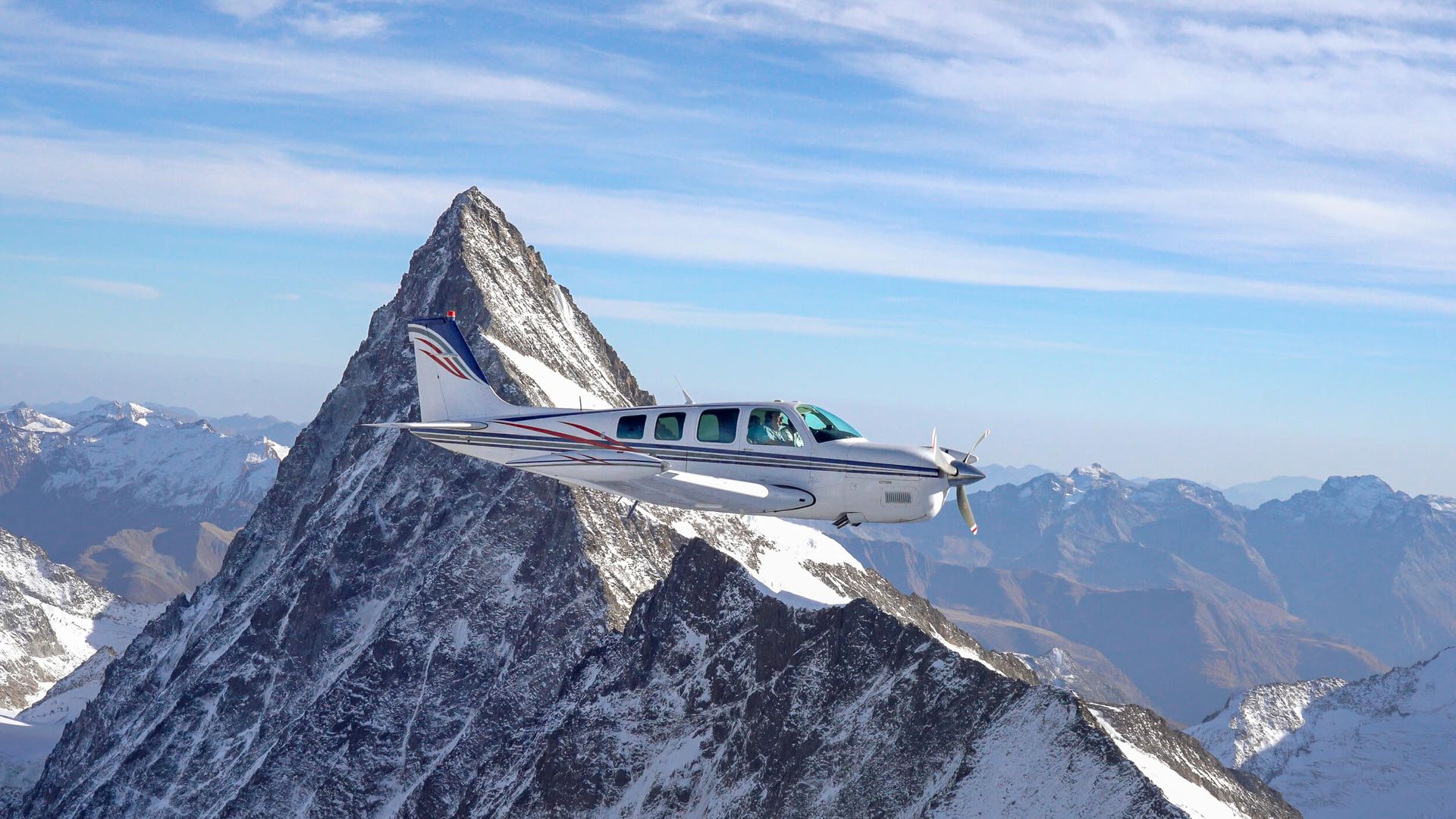
These moments around the wedding often become as memorable as the ceremony itself, and they also change the dynamic between guests. People who may have arrived as near-strangers on Friday can leave on Sunday feeling that they have shared something together.
Boutique Wedding or Elopement?
For couples attracted to intimate celebrations, another question often arises: why not simply elope, i.e. go even more intimate and smaller. There is certainly some overlap between the two concepts.
An elopement in the Alps usually places the couple themselves, more or less exclusively, at the absolute centre of the experience. It may involve just the two of them or a handful of their closest family members and friends.
A boutique wedding retains more of the social character of a wedding celebration.
There is still a guest list. There may be speeches, dinner, music and dancing. Families and friends are part of the story.
But the scale remains deliberately intimate.
In that sense, a boutique wedding can offer a beautiful middle ground.
It preserves the shared experience of celebrating with the people you love while retaining much of the freedom, intimacy and individuality associated with an elopement.
What About Tradition?
I like and even love traditions, and choosing a boutique wedding does not mean rejecting tradition, rather the opposite: Because with a smaller wedding you may embrace certain traditions even stronger: A church ceremony in a village chapel, traditional Alpine music during the aperitif, local flowers, regional dishes or a family wedding custom can all become part of the celebration.
But following our ‘personalized concept’, you can keep those elements that mean something to you. And change the ones that do not, and…maybe even create new ones of your own.
This is particularly beautiful in the Alps, where regional culture remains remarkably visible. Historic inns, churches, farms, castles, mountain huts, vineyards and family-run hotels can give a destination wedding a genuine connection to its surroundings.
So…is a Boutique Wedding Right for You?
A boutique wedding may be worth considering if the idea of a smaller guest list does mean more options for you – and of course, if you really feel you’d like to create a personal experience.
In the end, the decision is very personal and will depend on a lot of factors. Diplomacy is often important with weddings, and if you think cutting off 80 guest from your list will result in a new cold inter- and intra-family war, than maybe its better to go with the larger version.
But if the wider circumstances permit, and if you’d like to make it deeply personal; if the location matters enormously to you; if food, photography, flowers, music or design are priorities, then, perhaps this is really the right choice for you.
And, leaving diplomacy aside, also think about what else is important for you:
Weddings can become remarkably busy. There are photographs to take, guests to greet, speeches to hear, traditions to observe and schedules to keep. These get all a bit less stressful if you only have to accommodate and cater for 30% of the guests.
And sometimes the greatest luxury at a wedding is simply having time.
Boutique does not mean minimal
There is one final misconception worth addressing. But, if you have read the above lines carefully, you know by now that this is not the case for you: Boutique does not equal minimalism. It can be wonderfully extravagant.
You can have magnificent flowers for thirty guests. A five-course dinner crafted by a renowned chef. Champagne on a mountain terrace. A string quartet in a small chapel. Bespoke stationery. A beautifully designed table stretching beneath old trees. Exceptional wines. Or a celebration lasting an entire weekend.
The difference is that every element has room to matter, because boutique luxury is rarely about doing everything. Instead, it is about selecting the right things – and doing them in a curated manner. Because they fit at the right time with the right place.
A Wedding Designed Around You
Traditional weddings remain wonderful celebrations for couples who dream of bringing together a large circle of family and friends.
For couples who value intimacy and have the freedom to do so, and who dream about exceptional places and unique, a boutique destination wedding in the Alps offers another possibility: a celebration designed around the people, places and moments that genuinely matter.
It may mean fewer guests. It may mean abandoning a few conventions.
But is also may mean choosing a mountain chalet, a secluded lake, a historic villa or a tiny Alpine chapel instead of the obvious wedding venue. With all of that, less can mean more.
At Mont-e-Val, we believe that the most memorable Alpine celebrations begin not with a standard package, but with a couple and their individual vision. From intimate elopements to carefully curated boutique weddings, we create celebrations that combine extraordinary places, local character and experiences designed around you.
Because a wedding in the Alps should not simply take place there.
It should feel inseparable from the place itself.
From castles to historic spa centers, from alpine chalets in hidden valleys to beautiful lakeside locations, with our contacts and expertise we will find you the most appropriate location. We work with world-class service providers if you want them, but also can find you the young and wild performers if you so desire.
We are always eager to help you curate your individual dream weddings, whether that's a traditional one, boutique or elopememt.
Planning your own destination wedding in the Alps?
Tell us about your ideas, your dreams and the kind of celebration you have in mind. We would be delighted to explore how we can bring it to life.