How Much Does a Destination Wedding in the Alps Cost? A Complete 2026 Guide
Why a beautiful, romantic destination wedding in the Alps is not only for the lucky few
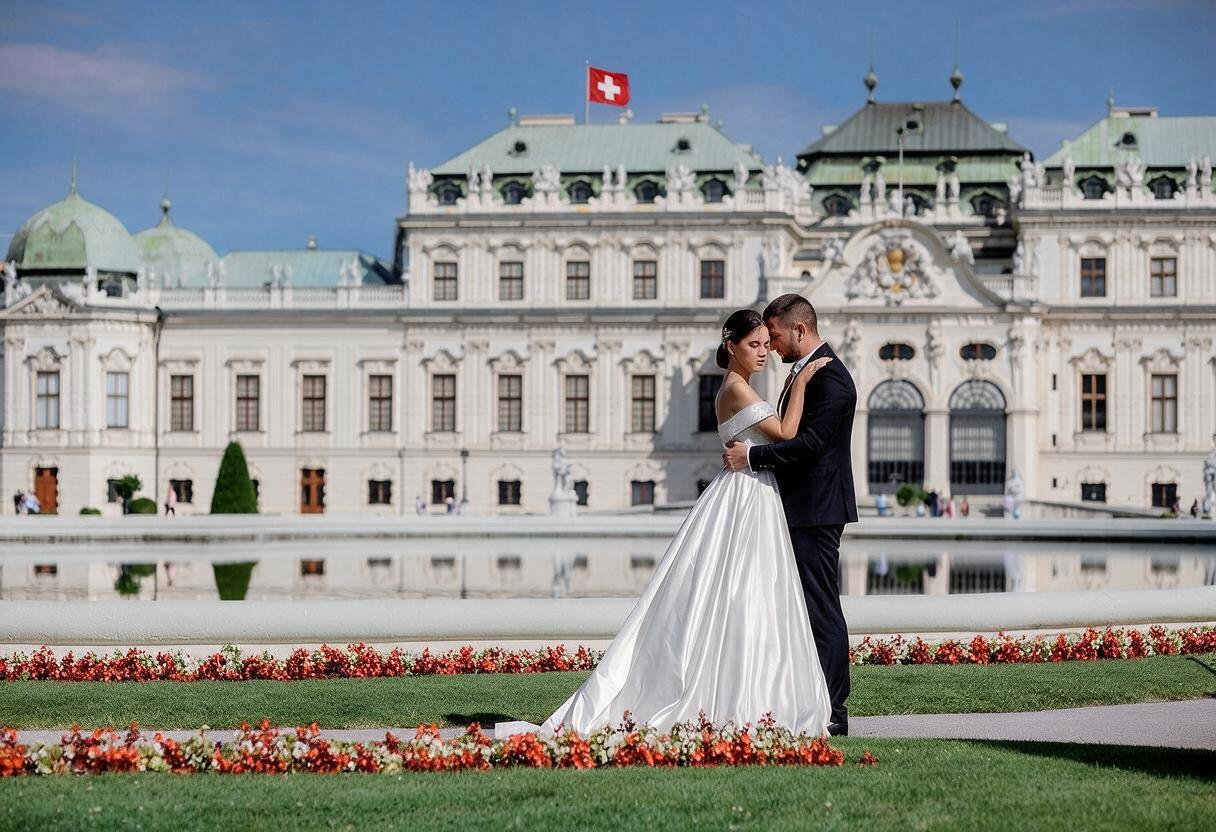
When arranging a wedding in one of the world's most iconic destinations - the European Alps - there is a lot of options and budget categories available. With careful and considerate planning, you can enjoy a breathtaking experience even without ruining your budget
Many couples dream of saying "I do" surrounded by dramatic mountain peaks, historic castles or elegant alpine chalets. Yet one of the first questions almost every couple asks is not: Oh darling, what dress should I wear, but….
How much does a destination wedding in the Alps actually cost?
We all need to admit that: Independent of how romantic a wedding in this beautiful destination might be, our lives are also framed by some kind of economic limits, and overstretching them might cause some feelings of distress.
For sure, couples and their families are often prepared to throw in some extra spending for what should be one of the most significant days in their lives – but that should not end in your house, as a future homebase of your family, being sold because you completely overdid it by inviting U2…, no but wait – we don’t need to be overly dramatic, we just want to make sure that an alpine destination wedding leaves everyone fully satisfied.
Ideally, you should feel you have spent enough to get all the thrills, beauty, comfort and services you were looking for, but on the other hand, you should still be able to enjoy peaceful nights before and after the celebrations and not have the impression you just did some type of financial Russian roulette.
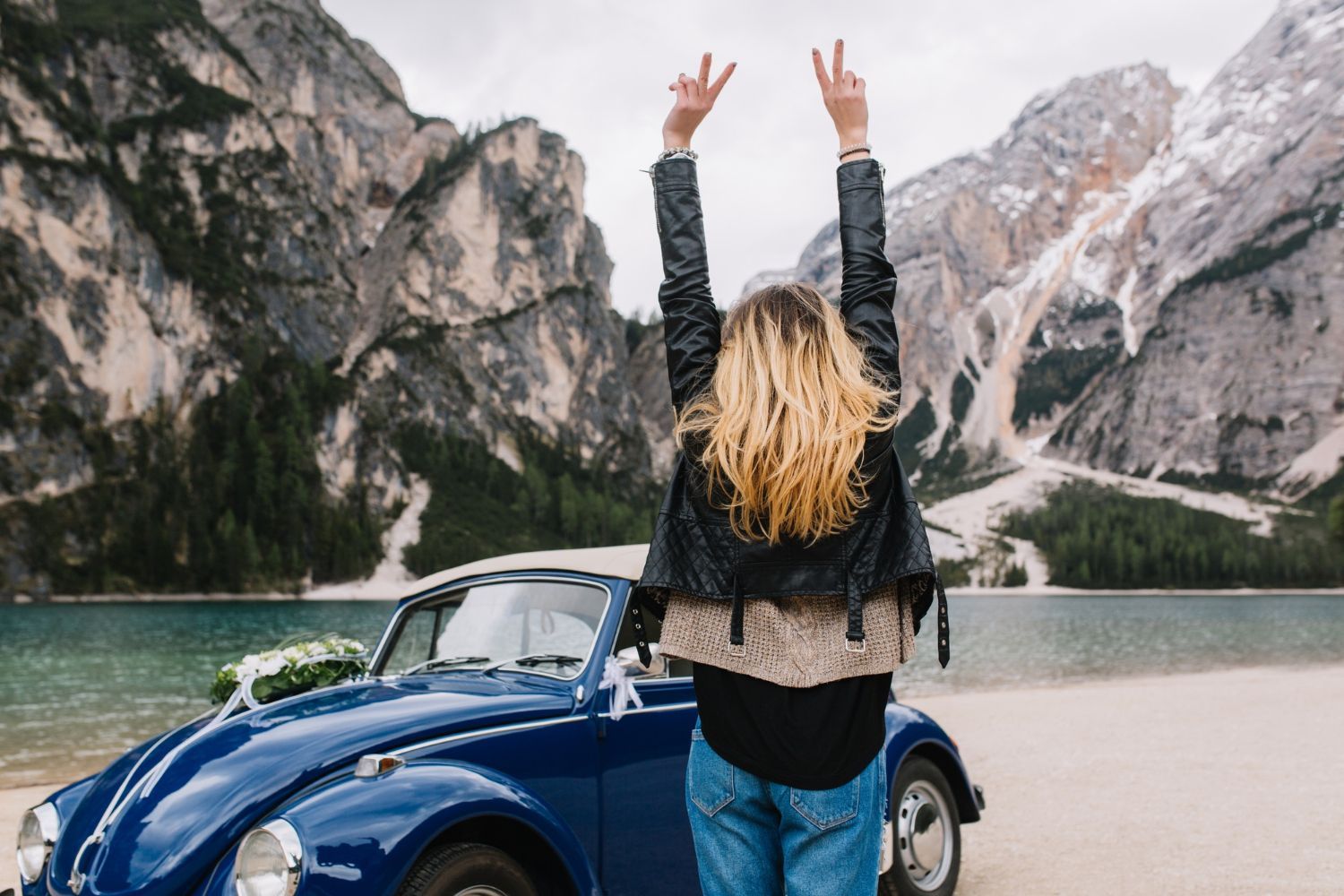
There is a lot of ways to inflate or save on your budget. But the interesting thing about the Alps is that ‘luxury ‘ not always and automatically means ‘empty pockets’. You should have a rough idea in mind on
- Where
- When
- How many elements/services, and
- How complex and luxurious should these services be?
You should regard these points as a kind of configurator. You are able to shift and play around along these parameters, increase some, and decrease others, so that in the end you reach a budget you are comfortable with.
But, as I have indicated above, there is a fifth dimension to consider, and that is the question of
- What defines luxury for you?
With careful considerations and planning, the Alps offer exceptional value in a wide range of budgets - especially compared to many other luxury wedding destinations worldwide.
What influences the budget?
Country & region
Lets start at the beginning: What of course matters is the ‘where’. This is not only the country, but also the specific region, and within the region, even the precise location.
In general terms, for the countries where Mont-e-Val offers its services, Switzerland is the most expensive (by a good 20% -50% on average), whereas the other regions, i.e. South Tyrol /Northern Italy, Tyrol, Salzburg and Upper Bavaria are in general at a similar price level.
But then there are differences within the country. As anywhere else in the World, prices roughly grow with attractiveness (real or perceived) of the region. Within Switzerland, the Zermatt area is probably the most expensive. But you get to see the Matterhorn, one of the most iconic mountains in the World.
On the other hand, other beautiful mountains and peaks can be gazed at in other valleys for maybe half the price, so it is a question of personal wants. And there are beautiful valleys in the Alps which just happen to be less touristic than other - often nearby valleys, but offering the same or better quality, less crowds, and for less money.
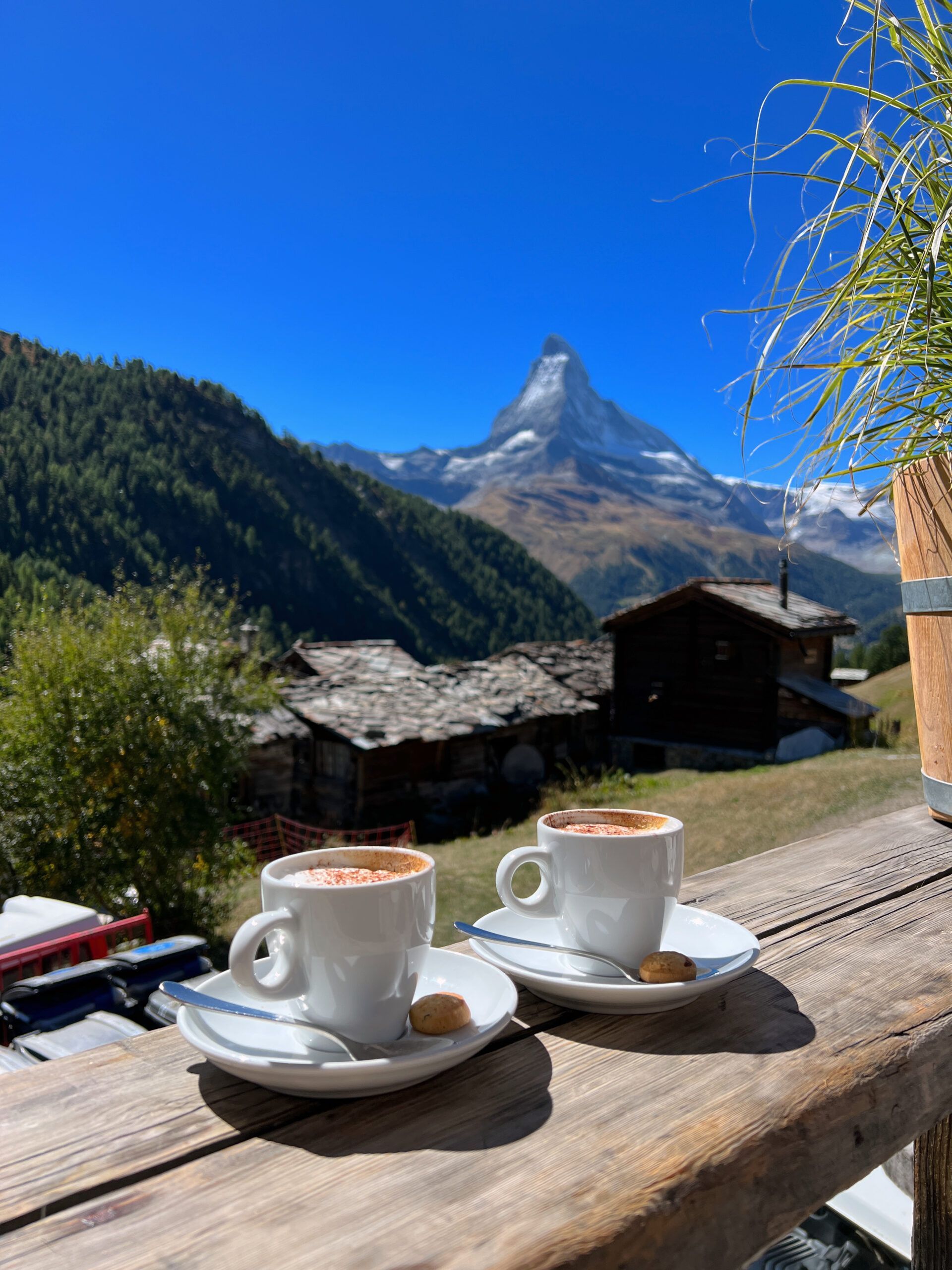
So, personal preference is quite important. In case you want to necessarily marry with the Matterhorn standing guard in the background, and you have a budget X, you may afford maybe only 3 days in a 3 or 4 star hotel, while the same money X could buy you five nights in a five-star hotel somewhere else in the Alps. So one should start by putting some thoughts to the question if you have some ‘no-negotiable’ things you want to see, or whether you are a bit flexible. Important to note that there is no 'right' and 'wrong'.
Seasons
Seaons do influence prices in other regions as well, but the Alps are probably one of the fewer areas where you have two distinct peak seasons, one on winter, and the other in summer. Winter season is specifically expensive in and around ski resorts such as St. Moritz, Zermatt, Gstaad (all in Switzerland), Lech/Zuers/Arlberg or Kitzbuehel in Austria, the Dolomites region in Italy or Garmisch-Partenkirchen in Bavaria.
Skiing is hugely popular in Europe, and in many rooms in the well known resorts are hard to get if you start looking just a few weeks before your trip between Christmas and at least end of March. The most expensive time is between Christmas and New Year, and into the first week of January, where average prices might be twice as high as the annual average.
Then again, if you love winter but don’t want to ski, you find beautiful calm valleys and villages for winter walks, cross- country skiing and other quite activities for much less cost than in the bigger ski resorts.
Summer tends to be the second most expensive season across most areas in the Alps, but then of course summer comes with lost of amenities, like the possibility to swim in beautiful alpine lakes, and to enjoy your breakfast and dinner outside, which in other seasons is most likely too chilly to do. And of course you may enjoy these long nights, with all their festivities, celebrations and the overall joy for life that the Alpine folks love to display during this season.
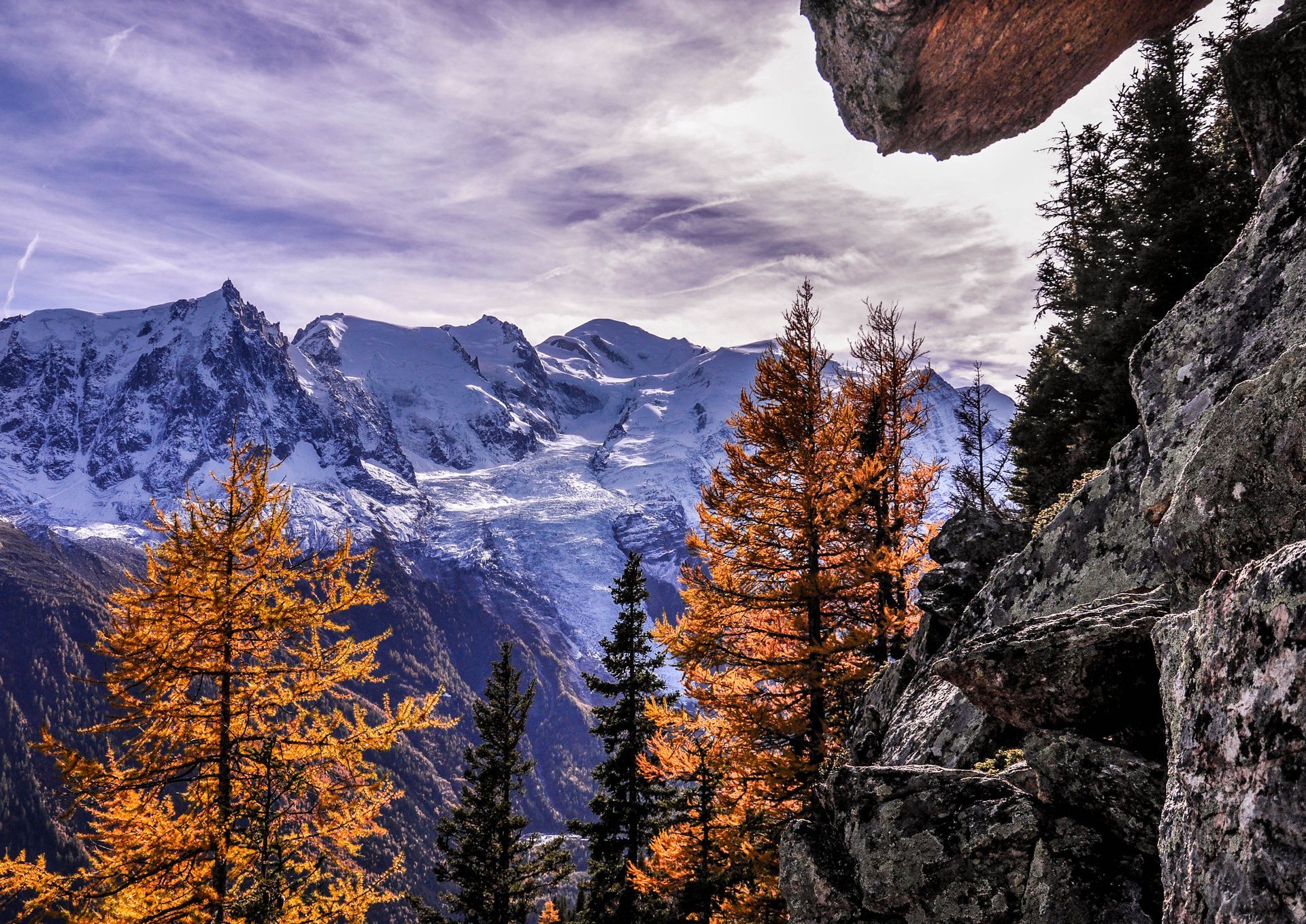
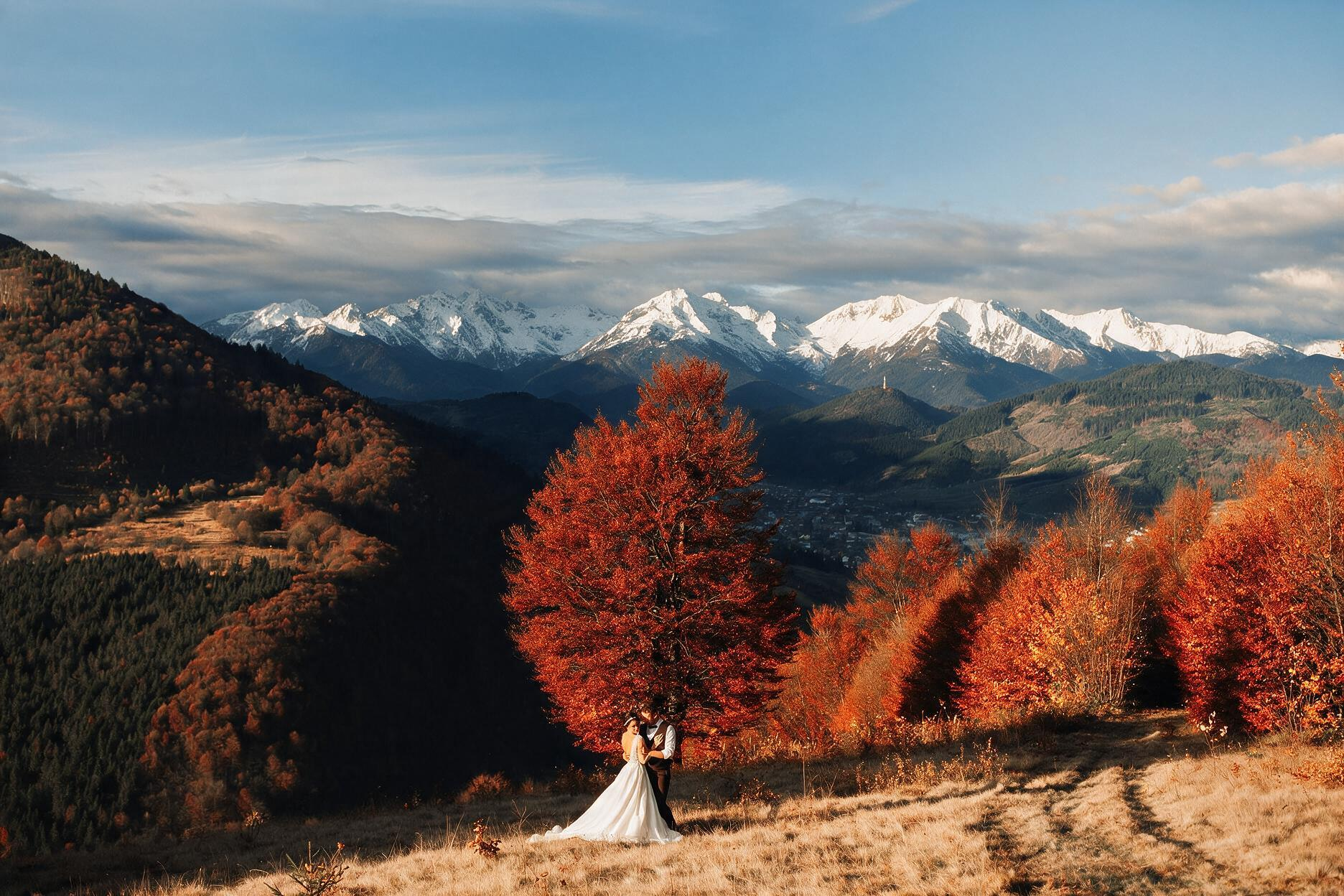
With the above in mind, spring and autumn are interesting money-saving options, while both boast beautiful impressions. In the Alps, these intermediate-seasons often mean you get two seasons in one, with winter still (in spring) or already (in autumn) present in higher elevations, while the lower valleys are covered in bright flowers and fresh green (in spring), or clad in beautiful red, orange and yellow in fall.
Both seasons for me also carry an added level of mystery, as spring shows the power and energy of new life winning over winter in an ever-increasing area, while in fall, one can witness how life slowly turns inward, and gets generally calmer and slower, and how people and nature prepare for what’s ahead. One also gets to enjoy more empty spaces, specifically in October and November, when tourism is at its lowest. The air also tends to be super-clean and crisp, which is a fantastic source of energy.
How many service elements?
This is a big question, money- and otherwise. But to start with calming good news: fewer services doesn’t mean more boredom. On the opposite end, there is basically no limit. Lets start from and with the basics. You probably want and need an accommodation for your and your guests, so you need to check hotel options in different categories.
Next comes a location for your (symbolic) ceremony. If you are of Christian faith, you may want to have a church service. For the afternooon, you probably would like to offer refreshments and snacks, and maybe your wedding cake. For later, you most likely are looking for a location for the evening celebrations. In terms of size and scope, this of course depends on the number of guests you involve in your day.
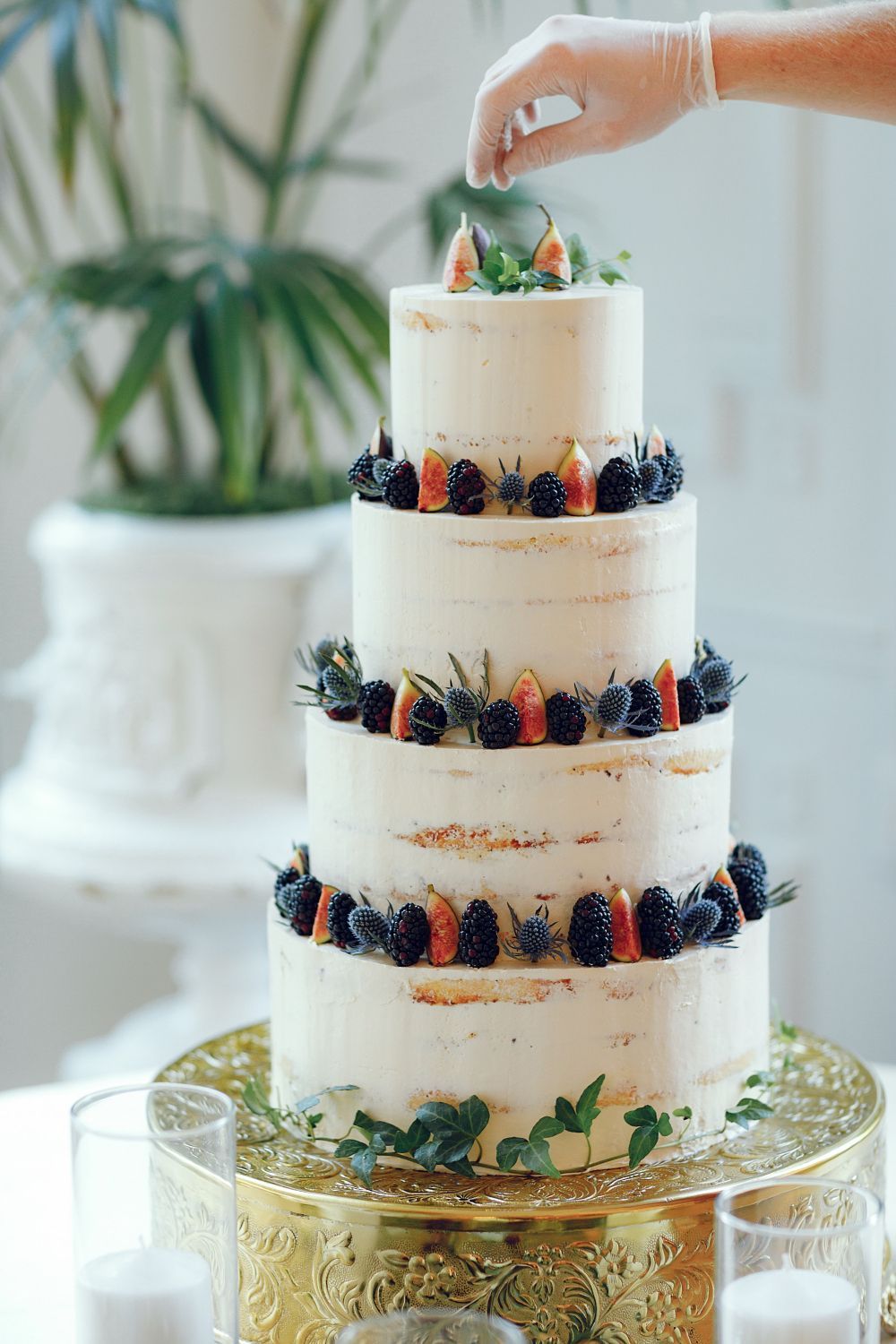
Most couples would consider the above as a good base. So we need a hotel (maybe in more than one price category), 1-2 different sites/locations, catering, and some decoration all around. We talk about the ‘luxury level’ below. Here its only about ‘ingredients’ and choices. Because of course you can add to the above: You may start with a VIP airport pick-up, and a VIP shuttle to your destination. You may actually go by helicopter, or with a pretty vintage convertible.
You can add a wedding band for the afternoon, and a piano player for the evening, followed by a party-band for the night. Or have a DJ instead, for much lower fares. How about fireworks? Hair dresser and make-up professional? A horse carriage to take you from the church to your photosession site. And so on. This list is near-endless.
So two things to say: If your budget allows, you can add whatever you want, basically. The Alpine regions are high-quality destinations as far as these services are concerned, and you will find world-class service deliveries for almost anything. But…you don’t need to.
You can enjoy your dream weddings in an alpine area resort without much fuzz, and just enjoy what you really love: A good site for your ceremony, and either the same or a different one for your evening celebration. Beautiful decoration must not be a budget killer, as is the case for fantastic food. If you do the logistics smart enough, you also don’t need to overspend on shuttle services etc. Now we are ripe to talk about luxury:
What is luxury, actually?
This is a bit more of a philosophical question, but still a very pragmatic one: What defines (alpine) luxury for you? Do you want the '5-star +' hotel, with the five star catering service? Rest assured, this is available in many regions of the Alps. And I have to say - thse services are worth their money.
But maybe…luxury for you is more about having time, peace, and the comfort of hearing…nothing. Nothing except some birds and crickets. And maybe one way of feeling this the best is by way of a much simpler accommodation. And you may just deeply enjoy some alpine food specialities, which tend to come relatively modestly priced.
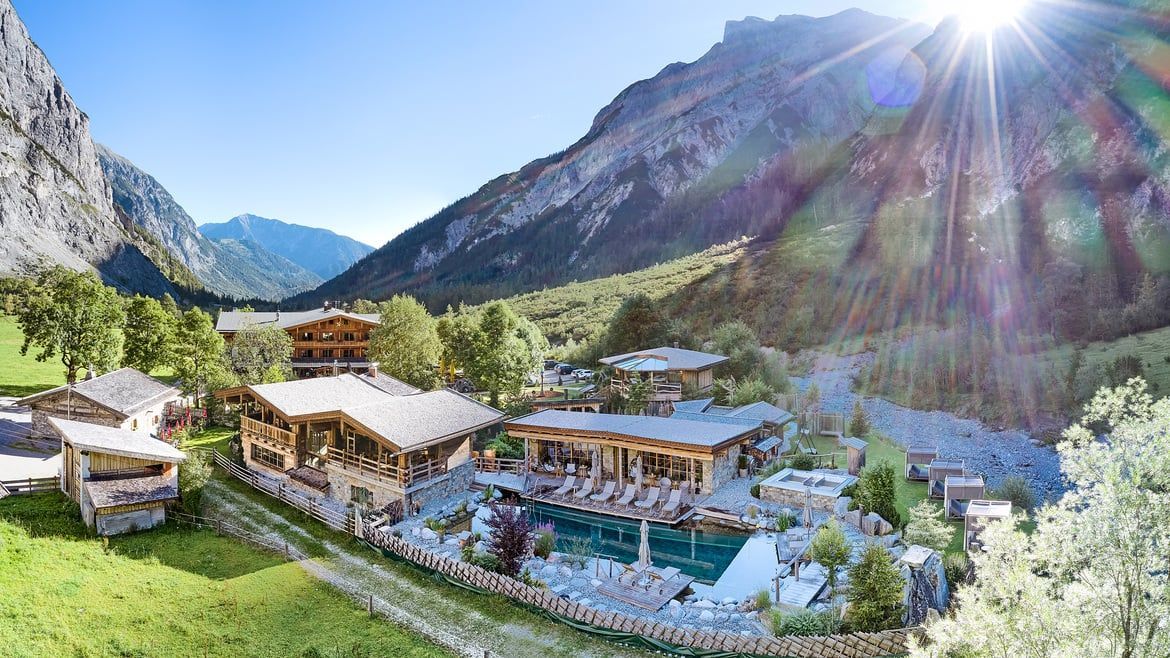
So it could well be that you get a super-luxury alpine wedding that comes at relative little cost.
At Mont-e-Val we work with locations that can accommodate both fields: The highly sophisticated 5star+ locations and catering, while I also love working with locations that are of a somewhat lower ‘luxury rating’, but that still offer charming, personalized services – and are located in areas that will leave you breathless. I also know of a small secluded place nearby a glacier - which was formerly used as a border post between Austria and Italy, and now serves as a true refuge to those who just seek serenity.
Typical wedding budget
So…if you read until here, you will realize that my heading ‘typical wedding budget’ is bogus, as there is no such thing as a ‘typical’ budget. Nevertheless, I’d like you to give some parameters for you to have some idea what costs are involved:
Item
Typical Cost
Wedding planner €5,000–7,000
Venue €5,000–20,000
Catering €150–350 per guest
Photography €1,500–6,000
Flowers €2,000–8,000
Music €1,500–5,000
Hair & Make-up €500–1,500
Transportation Taxi shuttles should be at €200-300 for the night, but a VIP limousine service is substantially higher (as are helicopters)
Now, lets talk about the number of guests. In these days, couples have quite a wide choice between different wedding formats:
Small Luxury Elopement
5-10 people
€10,000–40,000
Boutique Destination Wedding
40 guests
€35,000–70,000
Exclusive Luxury Celebration
100+ guests
€80,000+
Beware of hidden costs
One also needs to take into account additional costs that are not directly related to the wedding budget per se - but may appear in some way.
- Transportation (esp getting to the Alps in the first place)
- weather backup
- permits
- VAT
- travel insurance
Can you save money?
Yes, you most certainly can. In line with what was described above, there is a number of parameters or regulators you can play with - and alter costs. In my opinion, there is no reason to just 'go cheap', in the sense of ordering this badly tasting (but very cheap) cake, or take the boring decoration, because it saves some bucks. Instead one may rather choose to go for
- weekday weddings
- off-peak season
- smaller guest list
- symbolic ceremony
- multi-day experience instead of huge reception etc
The important point I want to make is that by doing it right, you can save some money without decreasing the overall quality of your destination wedding!
Why a destination wedding planner can help you
First, a destination wedding planer should have an intimate idea about the very destination. Based on this local experience, the planner can provide you with a wide set of options, based on what you really want.
In addition, a destination wedding planner from the Alps can guide you to the right spots, give you recommendations not only about locations, but also how they, in interrelationship with seasons etc., influence the price. Getting to the budget that you want with all the elements in mind is normally something where a collaboration with an Alpine Destination Wedding Planner makes a lot of sense. For your budget and a piece of mind.
Conclusion
As I have described, an Alpine wedding is possible across various budget ranges—from a stylish elopement ceremony to an exclusive multi-day celebration; from a smaller, cozy, calm hotel during off-season to a fancy top location during New Year. You have a lot of leverage on what you seek, and on what and how you sepnd your anticipated budget.
This is precisely where Mont-e-Val can help you: not by organizing the most expensive wedding, but by creating the one that perfectly aligns with your wishes.
One final point at the end: At Mont-e-Val, we always charge a fixed price for our planning service, independent of the overall costs of your wedding. This way, you have full transparency should you decide working with us, and you don't need to worry that we will talk you into the high-price options because it makes our life richer!